
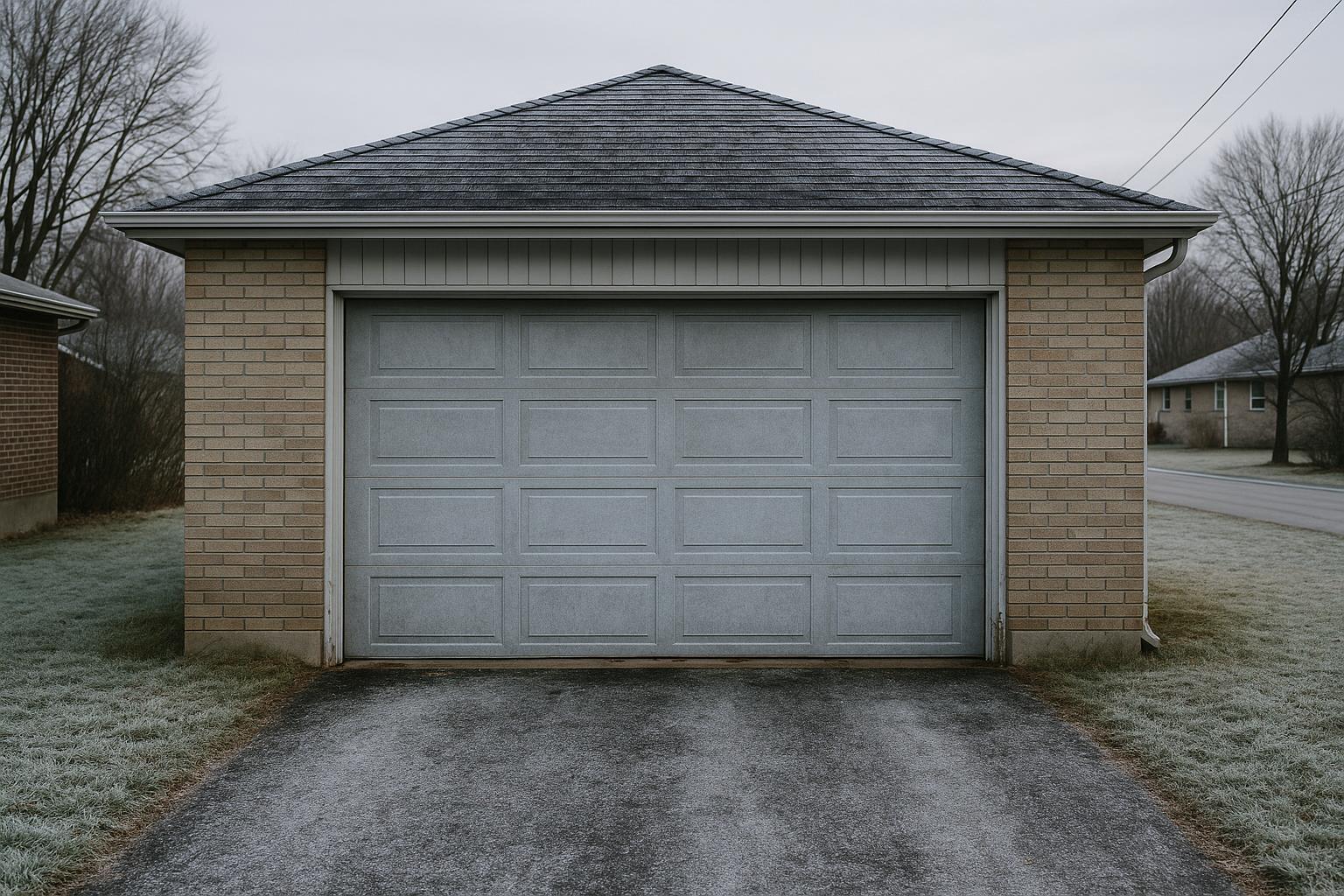
Winter Mornings and Stuck Garage Doors
You're running late, coffee in hand, and you hit the button to open your garage door. Nothing happens. Or worse — you hear the motor straining, but the door won't budge. If you live in Denver, NC, you know that winter mornings can get cold enough to cause real problems for your garage door system.
A garage door that won't open in cold weather is one of the most common calls we get during the winter months. The good news is that most cold-weather garage door problems have straightforward causes — and many of them are preventable. Let's walk through what's going on and what you can do about it.
Why Cold Weather Affects Your Garage Door
Your garage door is a mechanical system with metal parts, rubber seals, and lubricants that all respond to temperature changes. When temperatures drop into the 20s and 30s — which happens regularly around the Lake Norman area between December and February — several things can go wrong at once.
1. The Weatherstripping Freezes to the Ground
This is the most common culprit. The rubber seal along the bottom of your garage door can freeze to the concrete floor or driveway surface overnight, especially if there's been any moisture. When the opener tries to lift the door, it's essentially glued to the ground.
What to do: Never force the door open with the opener — this can burn out the motor or strip the gears. Instead, try these steps:
- Gently tap along the bottom seal with a rubber mallet or the handle of a broom to break the ice bond.
- Pour warm (not boiling) water along the base of the door to melt the ice.
- Once freed, dry the area as best you can to prevent refreezing.
To prevent this from happening again, apply a thin layer of silicone spray or cooking spray along the bottom weatherstrip. This creates a barrier that makes it harder for ice to form a seal.
2. Metal Parts Contract and Bind
Metal contracts in cold temperatures. The tracks, rollers, hinges, and springs on your garage door are all metal, and when they shrink even slightly, it can cause binding, stiffness, or misalignment. You might notice the door moving slower than usual, making grinding noises, or stopping partway up.
What to do: Inspect the tracks for any visible gaps or misalignment. If the rollers seem to be catching or grinding, a fresh application of garage door-specific lubricant can help. Use a silicone-based or lithium-based lubricant — never WD-40, which is a solvent and not a true lubricant. Spray the rollers, hinges, and spring coils.
3. Grease and Lubricant Thickens
The lubricant on your springs, bearings, and tracks can thicken or harden in cold weather, creating extra resistance. This forces your opener to work harder and can make the entire system sluggish.
What to do: If you haven't had your garage door serviced recently, winter is actually a great time to schedule maintenance. A professional can clean out old grease, reapply the right lubricant, and make sure everything moves freely regardless of the temperature.
4. Springs Lose Tension
Garage door springs are under constant tension, and cold weather can cause them to become more brittle and slightly less flexible. If your springs are already several years old, the added stress of cold weather can push them closer to breaking. A door that feels unusually heavy or won't stay open is a sign that your springs may be struggling.
What to do: Spring issues are not a DIY repair. Garage door springs are under extreme tension and can cause serious injury if handled incorrectly. If you suspect your springs are weakening, call a professional to inspect them before they snap — which always seems to happen at the worst possible time.
5. The Opener Struggles in the Cold
If your garage is unheated — and most garages in Denver are — the opener motor itself can be affected by cold temperatures. Older openers especially may have trouble generating enough power to lift a cold, stiff door. You might hear the motor hum without the door moving, or the opener might trip its safety features and shut off.
What to do: Try disconnecting the opener using the emergency release cord (the red handle hanging from the rail) and lifting the door manually. If the door moves freely by hand, the issue is likely with the opener. If the door is extremely heavy or won't move manually, the problem is with the door itself — likely the springs or a binding issue.
Preventive Steps to Avoid Cold-Weather Problems
Most winter garage door issues are preventable with a little preparation. Here's a quick checklist to tackle before the cold sets in:
- Lubricate all moving parts with a silicone-based garage door lubricant. Focus on springs, rollers, hinges, and the track.
- Inspect the weatherstripping along the bottom and sides of the door. Replace any cracked or brittle seals.
- Clear debris from the tracks so the door can move freely without obstruction.
- Test the door balance by disconnecting the opener and lifting the door halfway. It should stay in place. If it drops or rises, the springs may need adjustment.
- Schedule a professional tune-up. An annual maintenance visit catches small problems before they become expensive repairs.
When to Call a Professional
Some cold-weather garage door problems are easy fixes you can handle yourself. But there are situations where calling a pro is the smart move:
- The door won't open manually and feels extremely heavy
- You hear a loud bang from the garage — this usually means a spring broke
- The door is visibly off-track or crooked
- The opener motor runs but the door doesn't move at all
- You notice frayed cables or damaged hardware
Trying to force a stuck or broken garage door can cause further damage to the system — and to you. It's not worth the risk.
Stay Ahead of Winter Garage Door Problems
Living in Denver means dealing with enough cold mornings without adding a stuck garage door to the list. A little maintenance goes a long way, and catching problems early saves you from being stranded in your driveway on the coldest day of the year.
If your garage door is giving you trouble this winter — or if you want to get ahead of it with a maintenance visit — Denver Garage Door Pro is here to help. We serve homeowners throughout Denver, Mooresville, Huntersville, Cornelius, Davidson, and Lincolnton with fast, reliable garage door service. Give us a call and let's make sure your door is ready for whatever winter throws at it.